Sonya Fatah, Pacinthe Mattar and Desmond Cole discuss the censorship of Palestinian voices in journalism and the importance of challenging newsrooms

By Hajir Butt
It was a full house at Another Story Bookshop on Sept. 29, as people filed in to attend the Toronto Palestine Film Festival’s (TPFF) final event centring a discussion around the recently published book When Genocide Wasn’t News.
Attendees donning keffiyehs, watermelon pins and t-shirts with Palestinian calls to action, arrived in the Roncesvalles bookshop — which carries titles grounded in social justice and decolonial objectives — to listen to three journalists and educators discourse. The room filled to the brim, with many people standing at the back of the store and even lining up behind the panel to listen.
The music switched from mainstream pop songs to Arabic music. Among them was “Ounadikom” by Ahmad Kaabour, which translates to “I Call Out To You.” The lyrics and title are drawn from a 1966 poem of hope for liberation and resistance by the Palestinian poet Tawfiq Ziad.
This song set the tone for an evening that marked the final day of TPFF.
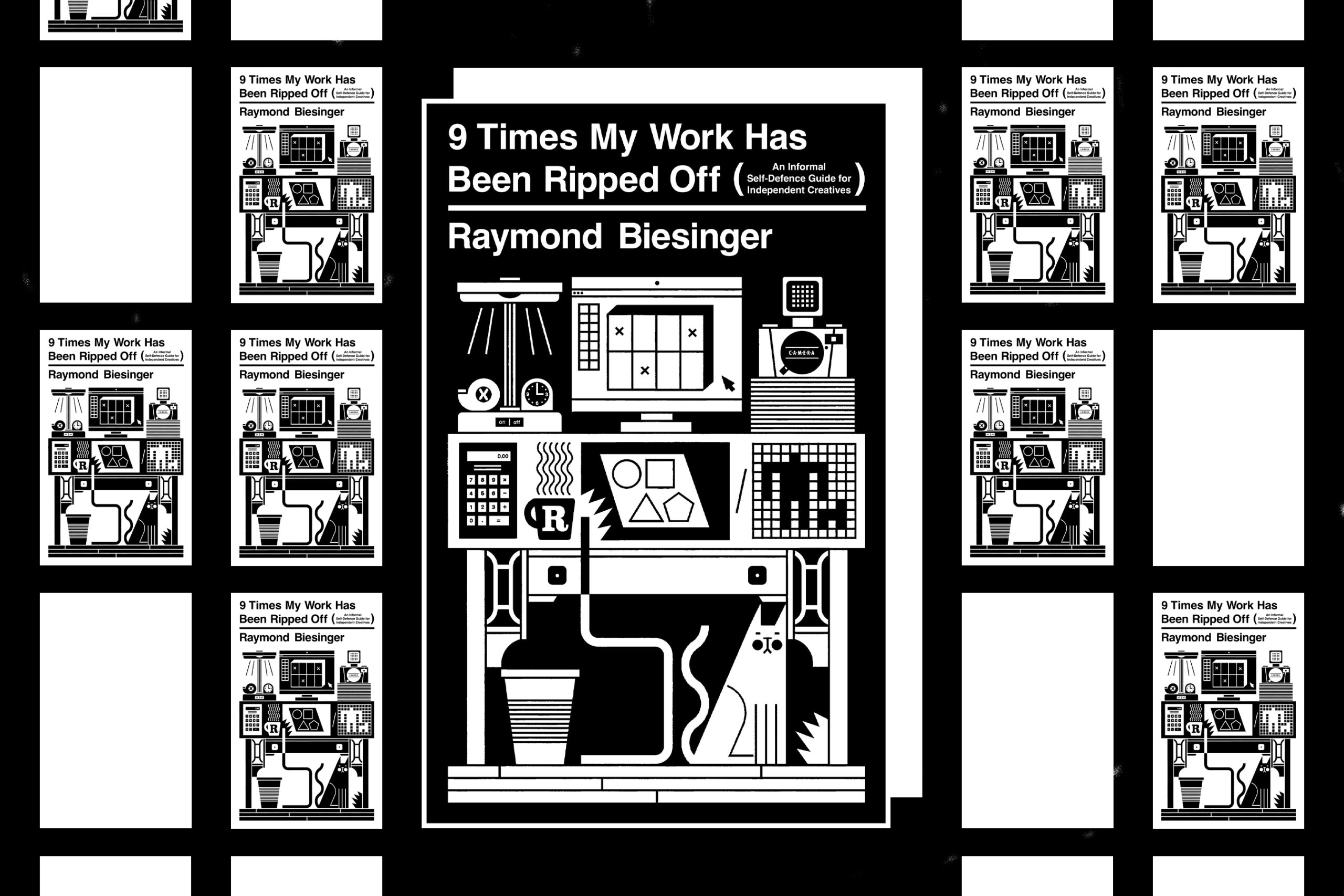
When Genocide Wasn’t News was published by independent media outlet The Breach this July and features a multitude of authors and contributors discussing the censorship of Palestinian voices in the media.
“We’ve never experienced the level of solidarity this year,” said the organizer of TPFF and book editor, Dania Majid.
The events coordinator at Another Story Bookstore, Anjula Gogia, said that copies of When Genocide Wasn’t News had sold out so fast that the store made another order from Montreal, but the shipment had not yet arrived.
Co-panellist Sonya Fatah is a professor at Toronto Metropolitan University (TMU) and the founder of stitched! live journalism studio; co-panellist Pacinthe Mattar is an independent journalist and writer of the award-winning article “Objectivity Is A Privilege Afforded to White Journalists.” Both speakers have a piece published in the book. The Breach’s senior editor and independent journalist Desmond Cole moderated the discussion about their pieces and the broader issue of censorship.
In the book, Mattar’s article is titled “Covering Palestine Shouldn’t Cost Anyone Their Job. Or Their Life.”
Mattar worked at CBC for 10 years before leaving two years after they pulled an episode on her segment that featured Palestinian-American journalist, Ahmed Shihab-Eldin, who was harassed while he was covering the protests at Al-Aqsa Mosque in Jerusalem.
Despite the story being pitched, approved and vetted, she was told prior to publication that it would not air. It was the only piece that was ever pulled, with no explanation, in her decade-long run. To this day, she has still received no explanation from the media company.
“This piece that I wrote was an attempt to link the censorship that we have faced here in Canada to the ultimate censorship that Palestinian journalists are facing in Gaza,” said Mattar.
Now working as an independent journalist, she feels it’s necessary to no longer tiptoe around Palestine and speak on it clearly.
As for Fatah, an article she co-wrote with fellow TMU professor Asmaa Malik for The Walrus, “Attacks on Press Freedoms Have Chilling Effects Far Beyond Gaza,” appears in the book. It delves into the failures of Western news outlets in featuring Palestinian voices and how targeted dehumanization of Palestinians is used as a method to silence and skew the truth.
“Journalists were being edited twice, thrice, four times, five times, with words being pulled out of their copy. At the same time you were hearing about other pieces that were going through with minimal editorial check and you can imagine what kinds of stories those were,” Fatah said.
Fatah’s piece highlighted Palestinian voices such as Bisan Owda, Plestia Alaqad and Motaz Azaiza. The piece also addressed how censorship and bias reaches newsrooms here in Canada, with examples of when Palestinian-Canadian journalists Zahraa Al-Akhrass from Global TV and Yara Jamal from CTV Atlantic were fired for their advocacy.
“For us we were thinking about — what is our role as journalism educators? How do we create space and apply our supposed academic freedom to the test and start writing about how we can get our journalism students to be more aware of the landscape in which they are entering, but also to question the industry and push the industry to challenge itself?” said Fatah.
A powerful moment came at the end of the panel when Cole asked, “Why? Why do you continue to pay the price, knowing that it doesn’t have to be this way and it’s a lot easier — the path of least resistance — to keep your head down?”
“This price is nothing, we have freedom of expression here. We’ve all heard the line over the years, ‘We’re not freeing Palestine, Palestine is freeing us,’” Mattar said. “If you, as a journalist, are not free, then you are not a journalist.”
“I will never forget Wael Al-Dahdouh getting news of the assassination of his family,” said Mattar. Al-Dahdouh is a Palestinian journalist and the bureau chief of Al Jazeera in Gaza.
“He held his family’s dead bodies and I remember him saying, ‘they are taking revenge on us through our children’ and the next day he is on the air, reporting,” Mattar recounted.
In an interview after the panel, Fatah spoke about the importance of events like these. “People aren’t used to seeing the collective analysis of how the media industry works and how these decisions are taken,” she said.
“Reach out to your ombudsperson, ask questions of the media. Why would they not hire Gazan journalists when they need that? Use campus publications to do that work. Highlight the work that these journalists are doing on the ground.”
An attendee at the panel, Kirsten Edwards, said there is a level of “burnout in a sense,” from seeing so much death on screens.
“As a Black person, seeing [Palestinians massacred] after George Floyd… it’s exhausting every time seeing how there is so little regard for when it happens to Black and Brown bodies.” Edwards, getting emotional, continued to say despite the burnout, it’s her responsibility to be aware.
“If I look away, who is going to witness it?” she said. “It is a moral duty to tell the stories coming out of Palestine.”
When Genocide Wasn’t News can be purchased online, both in eBook and physical copy here.