
After decades of misinterpretations, Del Toro’s film brings the true themes of Frankenstein to life

By Hajir Butt
The maker and the monster, the victim and the victimizer, Frankenstein and the Creature — the difference between them has begun to blur and blend, with one becoming the other. Mary Shelley’s renowned novel Frankenstein: Or, the Modern Prometheus, with its underlying message — powerful and demanding — has been universally misunderstood through its repeated adaptations. What was meant to be a reflection of themes of inner beauty, good and evil, the synthesis of the two and what society deems as monstrous, modern adaptations began to represent the very dissonance Shelley was challenging.
That was until Guillermo Del Toro’s Frankenstein cleared the air of confusion and misunderstanding once and for all. Frankenstein made its debut at the Toronto International Film Festival last year and is now available to stream worldwide on Netflix. One might argue that certain details should have remained the same, but an adaptation is the perception a reader has of the material presented. If we keep that in mind, Del Toro’s changes are made deliberately to set the record straight, painting the monster as not something but someone, as Shelley intended.
Over the decades, Frankenstein has been depicted across various forms of media. Frankenstein (1931), directed by James Whale, was the depiction that solidified the narrative of the name Frankenstein being attached to the Creature. That image took centre stage in viewers’ minds as to what the Creature looks like. With greenish skin, bolts on the sides of his neck, stitching across his forehead, the Creature was no longer called “the Creature,” but instead by his creator’s namesake. Victor Frankenstein almost gets lost, despite being the catalyst of every tragedy that unfolds within the story.
When Del Toro was a boy, at the mere age of seven, he saw Whale’s adaptation and claimed that he wanted to do his own take ever since. The development of his film spanned over 30 years, stating it was a lifelong project and his “Mount Everest to climb,” he said in his interview with Variety.
All that time and dedication to the craft led to Del Toro creating an adaptation where both the creature and its creator are depicted with authenticity. Oscar Isaac plays Victor Frankenstein in a way that questions his humanity. In another interview with Variety, Isaac said he drew inspiration from singers like Prince and was directed by Del Toro to give the character “more Mick Jagger,” which is seen on screen with Isaac’s sporadic movements, jaunty shoulders and sense of unpredictability.
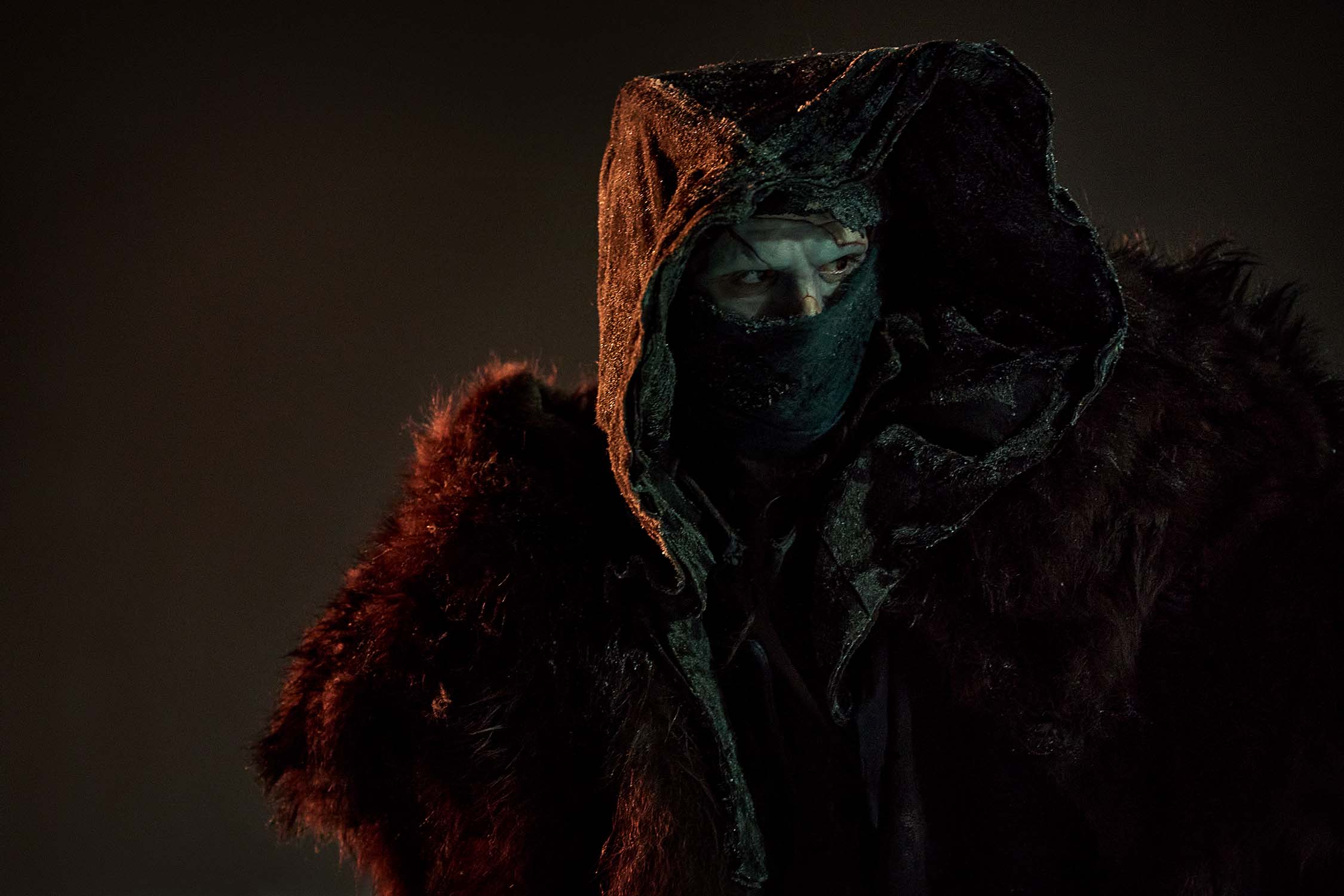
Behind 11 hours of Oscar-winning makeup, adorned with pale purple hues and scars, Jacob Elordi brings a performance so masterful and vulnerable as the Creature that he becomes recognizable only by his sheer talent and presence on screen. This talent almost didn’t see the light of day, as it was Andrew Garfield who was first in talks to play the Creature. However, due to scheduling conflicts, Garfield was replaced by Elordi. This replacement made way for a performance that was unlike any other. It is hard to believe that this film would be what it is if it were not for the stirring performance Elordi delivered.
Mia Goth’s role as Elizabeth brings a new level of depth to the character, whose novel counterpart falls under the “damsel-in-distress” archetype. Her reimagining comes with a quiet strength, resistance to immorality and a dynamic of understanding with the Creature. While Del Toro might stray from the text, his choice of making Goth take on the roles of both mother and Elizabeth speaks to the underlying infatuation that Victor has towards both of these characters.
Del Toro’s changes delve more into the Creature’s acts of good rather than his immoral actions found in the original text, thus creating a clear divide between him and Victor. The removal of certain depictions within the novel, such as the true death of Elizabeth and the much younger William, placates the Creature as a product of violence. While this is shown in this film, it also tends to downplay the Creature’s ‘dark’ nature. It becomes almost impossible to see much fault in the Creature, when in the novel, there is a blurred line between moral and immoral.
But one might ask — is this more vulnerable depiction truly that inaccurate, given that previous attempts to portray the Creature had strayed so far from the original concept that his innocence and vulnerability were lost beneath layers of fear and monstrosity?
While Del Toro’s adaptation may stray from the source material, what is preserved with such care and beauty is the essence of what Shelley’s novel encompassed. It feels as though his choices in changing the material were to showcase the true themes that shone through the storytelling, ensuring that the Creature is humanized.
Del Toro is no stranger to creating narratives where the ‘monster’ is empathized with. His other films, such as The Shape of Water, Pan’s Labyrinth and even Hellboy, all centre characters who are deemed grotesque or unwanted. Yet, through the careful eyes of Del Toro, themes of empathy and compassion shape these narratives to change what the audience knows to be beautiful or ideal.
After more than 30 years, it can be said that Del Toro did in fact climb Mount Everest, reaching a new point in film adaptations where the preservation of Shelley’s themes and messages is translated onto the screen with clarity, beauty and vulnerability.


Leave a Reply